How Payment Methods Unlock Hidden Layers in Swedish Mobile Bonus Structures
Lars Braun · Aug 22, 2026
How Payment Methods Unlock Hidden Layers in Swedish Mobile Bonus Structures
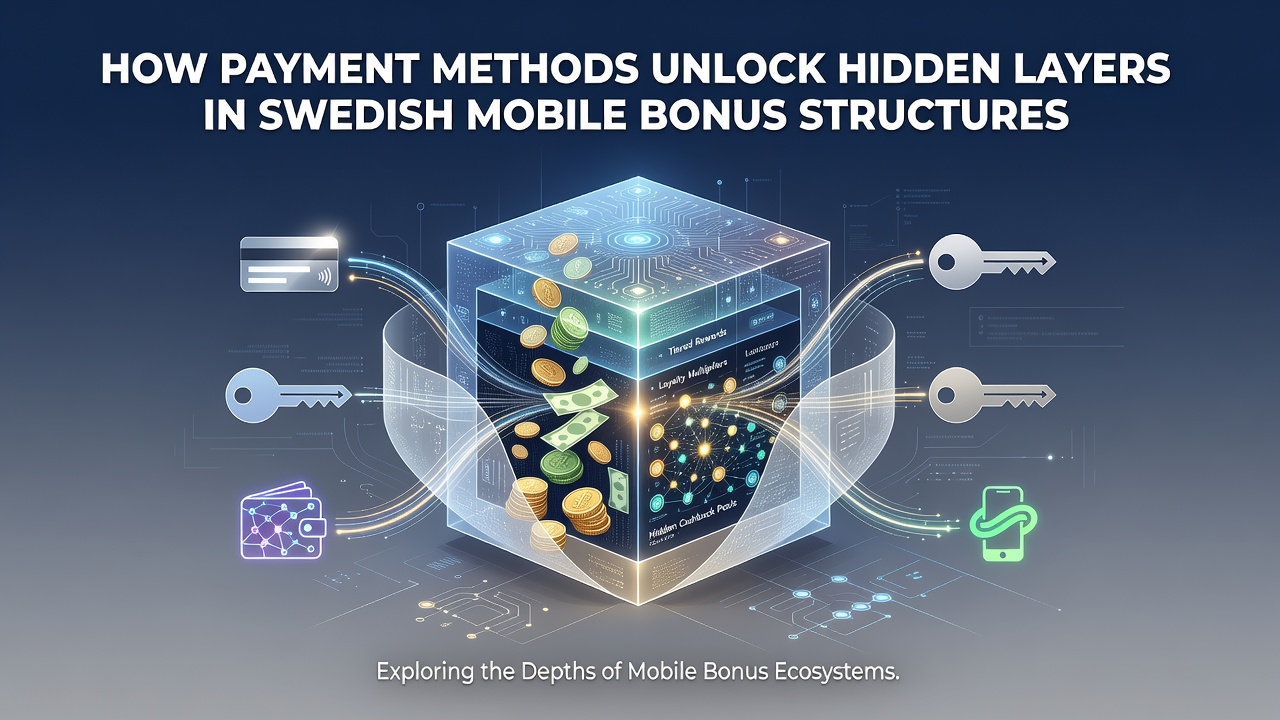
Swedish mobile bonus structures operate through layered systems where payment methods determine eligibility, activation speed, and reward multipliers, according to data from the Swedish Gambling Authority. Operators integrate instant transfer services like Swish alongside traditional bank options and card networks, each pathway triggering distinct bonus conditions on mobile platforms. These variations create hidden access points that players reach only when specific transaction types align with ongoing promotional cycles.
Payment Integration Patterns in Regulated Environments
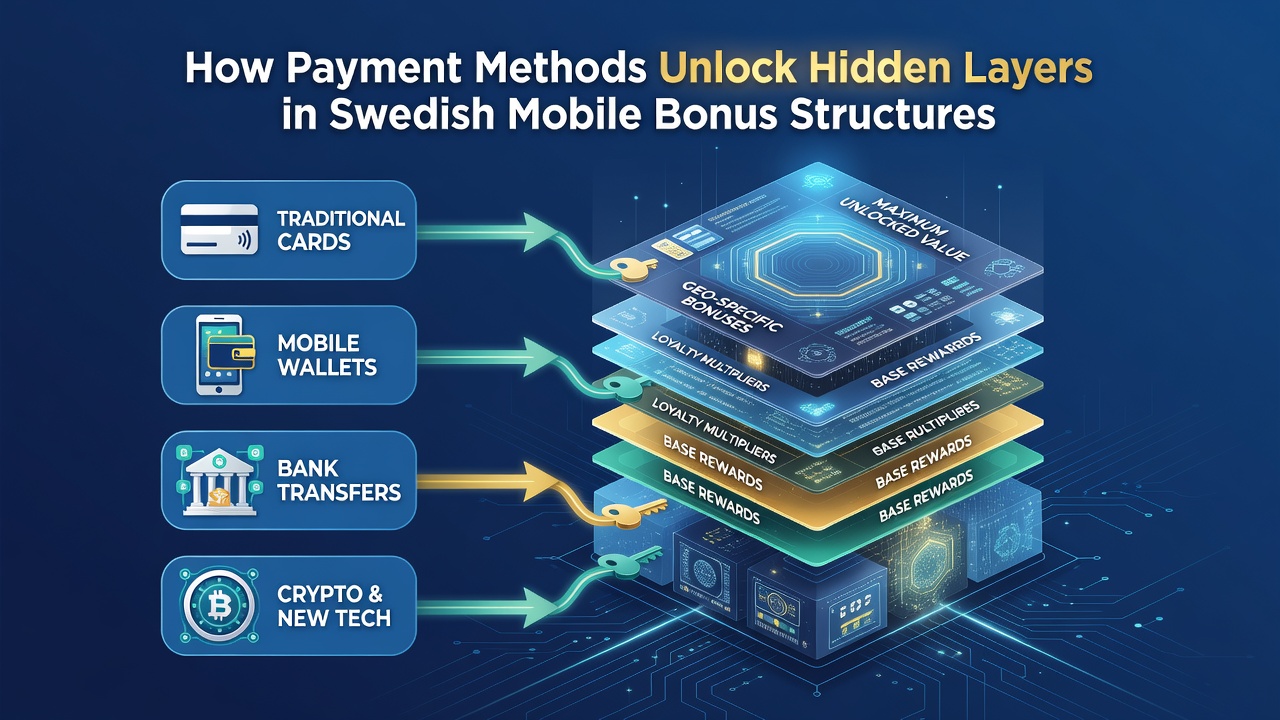
Regulations enforced by Spelinspektionen require operators to document how deposit methods influence bonus availability, and figures from 2025 show mobile transactions accounting for over 80 percent of bonus redemptions in Sweden. Instant methods such as Swish enable same-minute verification, which unlocks time-limited deposit matches that expire within hours, whereas card payments often route through additional authorization steps that shift users into delayed reward tiers. Observers note that these timing differences generate separate bonus pools, with mobile apps automatically sorting users based on the chosen gateway.
Trustly and similar open banking solutions connect directly to Swedish bank accounts, and this direct link frequently activates loyalty multipliers unavailable through third-party wallets. Data collected across multiple platforms indicates that users completing deposits via account-to-account transfers receive access to layered cashback structures, whereas e-wallet deposits route into standard percentage bonuses without the additional tier progression. Mobile interfaces display these distinctions through dynamic menus that update in real time as payment selections change.
Mobile App Mechanics and Transaction Triggers
Applications developed for Swedish users embed conditional logic that evaluates payment speed, verification level, and deposit frequency before assigning bonus values. A deposit processed through Swish in August 2026, for instance, can trigger an immediate 50 percent match plus entry into a secondary reward queue that accumulates points toward higher tiers, while the same amount sent via credit card may receive only the base match without queue access. Researchers tracking these patterns report that the difference stems from lower processing costs associated with instant bank transfers, allowing operators to allocate surplus funds into extended reward layers.
Additional hidden layers appear when mobile users combine payment methods across sessions. One documented sequence involves an initial Swish deposit that qualifies for a welcome match, followed by a Trustly transfer that opens a separate cashback channel tied to the same account. Platform algorithms treat these sequences as distinct events, and the combined activity feeds into mobile-specific progression systems that desktop versions do not replicate. Industry reports compiled by the European Gaming and Betting Association confirm that such sequencing increases average session duration on Swedish apps by measurable margins.
Regional Comparisons and Emerging Standards
Swedish systems share structural similarities with frameworks observed in other regulated markets, yet local payment preferences create unique combinations. Canadian provincial operators, for example, rely more heavily on Interac e-transfers that produce comparable tier splits, according to studies from the University of Toronto's gaming research group. In contrast, Swedish emphasis on Swish generates faster layer activation rates that operators elsewhere have begun to study for potential adaptation. These cross-border observations highlight how national payment ecosystems shape bonus architecture without altering overarching regulatory requirements.
August 2026 marks the scheduled rollout of updated mobile security protocols that further differentiate bonus eligibility by transaction authentication method. Strong customer authentication steps now required for card payments introduce slight delays that reclassify certain deposits into lower-priority bonus categories, while bank-linked instant options bypass these steps. Platform documentation indicates that operators must publish updated terms reflecting these shifts, and early testing data shows measurable redistribution of reward access across user segments.
Conclusion
Payment method selection in Swedish mobile environments directly controls which bonus layers become accessible, with instant bank transfers consistently unlocking faster and more varied reward structures than card or wallet alternatives. Regulatory documentation from Spelinspektionen and supporting analyses from academic institutions establish that these mechanics remain consistent across licensed operators, driven by processing efficiencies rather than promotional discretion. As mobile transaction volumes continue to rise, the interaction between payment gateways and bonus algorithms will determine the precise configuration of reward layers available to users.